01Injury · minute 31
One rebound. One pop.
Ugnė, 24, grabs a rebound in a Saturday league game. Her right knee caves in on the landing and she hears a pop. Most ACL tears happen exactly like this, with nobody touching her.
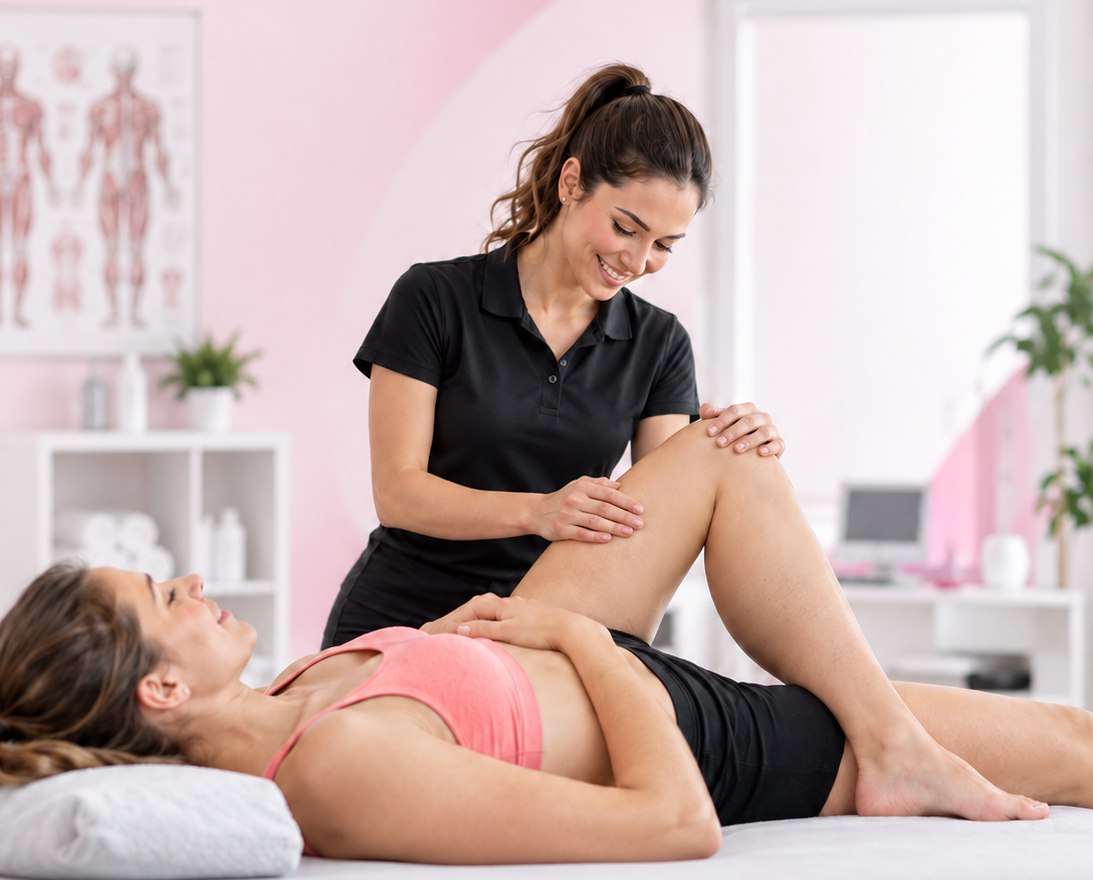
Move better · Feel stronger · Live more
Expert physiotherapy, personalised treatment and real people who care — helping you get back to what you love.
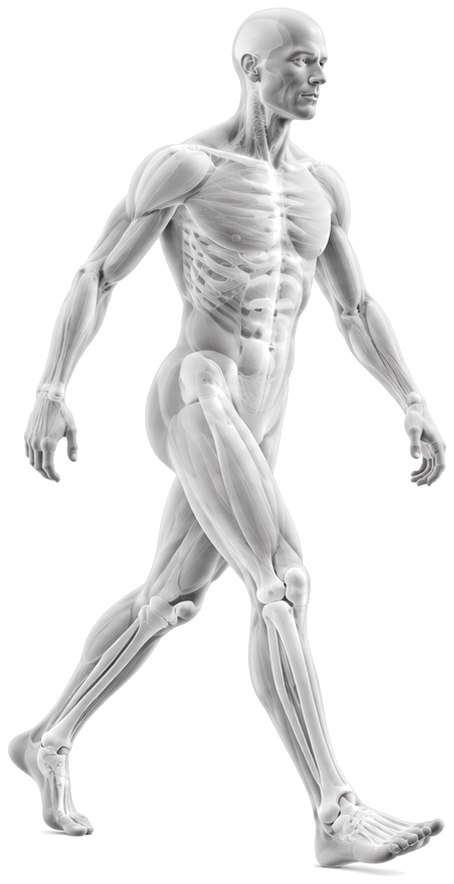
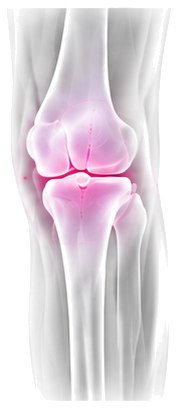
Find your pain
Our services
High-quality care at transparent prices. Prices include VAT and no referral is needed. Many health insurance plans cover physiotherapy.
Not sure where you fit? Start with an initial assessment. You leave with a diagnosis and a written plan.
Our team
Four specialists sharing one patient record, so each of them sees what the others did and your rehab carries on without gaps.
Meet the team01Injury · minute 31
Ugnė, 24, grabs a rebound in a Saturday league game. Her right knee caves in on the landing and she hears a pop. Most ACL tears happen exactly like this, with nobody touching her.
02Assessment · day 3
A 60-minute assessment with a sports physio: ligament tests, swelling, range of motion and strength, always against the healthy side. Her right knee bends to 45°. Her left bends to 140°. We refer her to an orthopaedic surgeon the same week.
03Mobility · weeks 1–6
After surgery, the first job is a straight knee and a bend that improves every week. Stationary bike, heel slides and quad work every day. By week six she reaches 120°.
04Strength · weeks 7–16
Single-leg squats, split squats and leg press, logged every session. We test both legs every four weeks. In week seven her right leg has 62% of the left one's strength. By week sixteen it has 84%.
05Return to play · weeks 17–38
Running, jumping, cutting and contact drills. She plays again only when both legs test within 10% of each other on strength and four hop tests. Week 38: 94%.
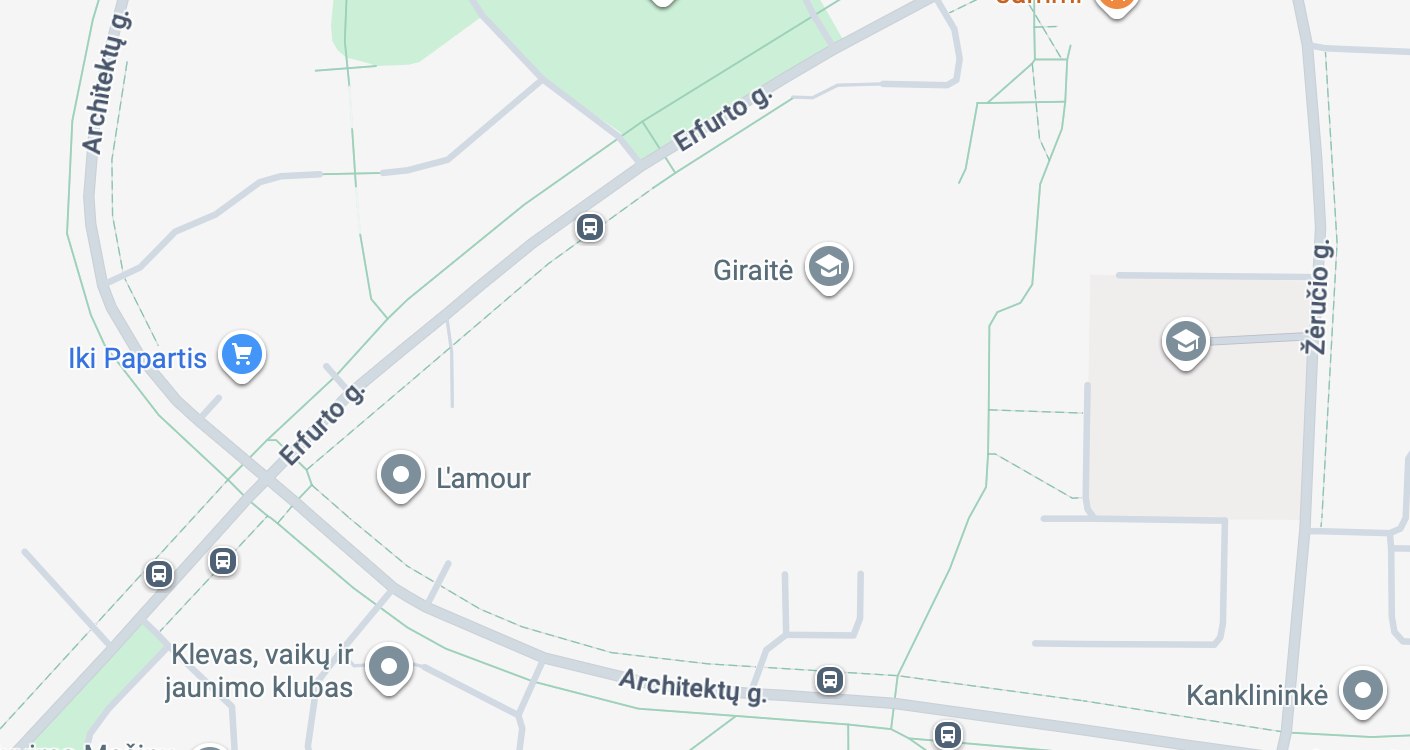
Visit us
No referral needed. In 60 minutes you get a diagnosis, a written plan and a clear idea of how long it will take.